Where the Paris Agreement stands
The 2015 Paris Agreement is still the backbone of global climate action. Ten years on, here are the facts on where it stands, updated after COP31 in November 2026.
On this page: State of play · Country by country · In the news · Our articles · Climate talks and deadlines
The agreement in one paragraph
Adopted in December 2015, the Paris Agreement commits almost every country to holding warming “well below” 2 °C above pre-industrial levels, and to pursuing efforts to limit it to 1.5 °C. Each country sets its own targets, called nationally determined contributions (NDCs), and is expected to strengthen them every five years. Progress is checked by a “global stocktake”.
- December 2015Adopted by 195 Parties at COP21 in Paris on 12 December.
- April 2016175 Parties, including the European Union, sign the agreement at a ceremony in New York.
- November 2016The agreement enters into force on 4 November.
- December 2018At COP24 in Katowice, nearly 200 Parties adopt the rulebook for putting the agreement into practice.
- November 2021The Glasgow Climate Pact at COP26 calls for a "phasedown" of unabated coal power, the first COP decision to target a fossil fuel.
- December 2023COP28 in Dubai concludes the first global stocktake, calling for a transition away from fossil fuels in energy systems.
- November 2024COP29 in Baku agrees a new finance goal of US$300 billion a year for developing countries by 2035.
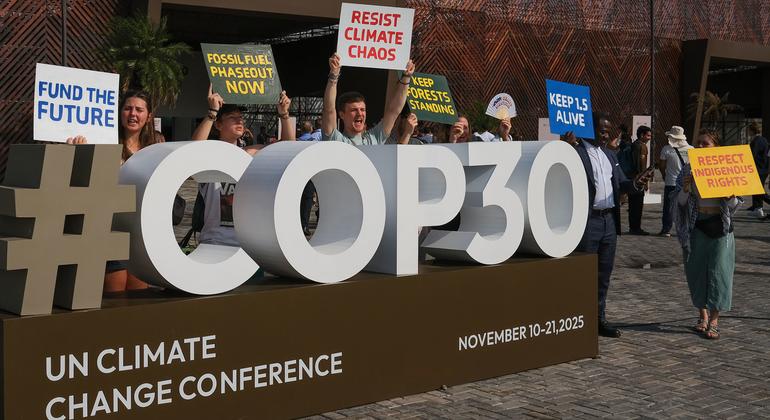
- November 2025COP30 in Belém calls for tripling adaptation finance by 2035, but makes no new commitment to move away from fossil fuels.
- November 2026COP31 in Antalya launches the second global stocktake, due to end in 2028, but countries fail to agree the presidency's overall deal.
- November 2027 · upcomingCOP32 in Addis Ababa, Ethiopia, where a just transition mechanism is expected to be agreed.
- November 2028 · upcomingThe second global stocktake is due to conclude at COP33.
- 2030 · upcomingCountries are due to submit climate plans running to 2040.
For every COP since Paris, and the dates still to come, see Climate talks and deadlines.
The state of play, late 2026
The plans don’t add up yet. The UN’s latest synthesis covers new plans from 154 countries, about 71% of global emissions. Together with current policies elsewhere, they point to global emissions about 6% below 2019 levels by 2035. Staying near 1.5 °C needs roughly a 60% cut over the same period. Projected warming by 2100 is 2.1 to 3.2 °C. (Climate Home News)
1.5 °C will be overshot. It is now widely accepted that warming will pass 1.5 °C, at least temporarily. The debate has moved to how far and for how long, and how quickly temperatures can be brought back down.
The United States has left. President Trump signed an order to withdraw on 20 January 2025, and US withdrawal took effect on 27 January 2026. In January 2026 the administration also announced it would leave the UN climate convention (UNFCCC) itself. (Harvard EELP)
COP31 made progress but no headline deal. The summit in Antalya, Türkiye (9 to 22 November 2026) became the longest COP on record. Countries agreed decisions on a just transition, adaptation, climate finance and carbon markets, and launched the second global stocktake, which concludes in 2028. But the presidency’s overarching “Antalya pact” was rejected by the EU, the UK and climate-vulnerable nations, chiefly because it did not mention fossil fuels. Around 80 countries backed a separate pledge to get 35% of final energy from electricity by 2035. (UNFCCC, Carbon Brief)
Country by country
Climate news only makes sense with some local context. Each country page sets out where that country stands, using the independent assessments of Climate Action Tracker, a research project that rates whether each government’s targets and policies fit the Paris goals. Each page also gathers our articles and news for that country. The European Union has its own page, because it makes one joint pledge for its members.
Africa
- EgyptHost of COP27 in 2022, with no net zero target and new investment in gas.Rated highly insufficient
- EthiopiaThe first country to ban imports of petrol and diesel cars.Rated almost sufficient
- The GambiaA small emitter whose unconditional pledge CAT rates as a fair share for 1.5 °C.Rated almost sufficient
- KenyaAiming for 100% clean electricity by 2030.Rated almost sufficient
- MoroccoPlans for 52% renewable electricity by 2030 and no new coal plants.Rated almost sufficient
- NigeriaAiming for net zero by 2060 amid a cost-of-living crisis.Rated almost sufficient
- South AfricaA climate law since 2024, with new coal power still joining the grid.Rated insufficient
Americas
- ArgentinaA 2030 cap on emissions, but no 2035 pledge yet and its climate agencies were dissolved in 2026.Rated highly insufficient
- BrazilHost of COP30 in 2025, with a 2035 pledge but new oil drilling approved in the Amazon basin.Rated highly insufficient
- CanadaNet zero by 2050 is in law, but several major climate policies have been reversed since 2025.Rated highly insufficient
- ChileNet zero by 2050 is legally binding, and the coal phase-out may come forward to 2035.Rated almost sufficient
- ColombiaHas granted no new oil and gas exploration licences since 2022.Rated insufficient
- Costa RicaA national plan to decarbonise by 2050, but the government now wants to explore for oil and gas.Rated almost sufficient
- MexicoA new 2035 pledge, alongside plans to raise oil and gas output.Rated highly insufficient
- NicaraguaThe country that refused to sign in 2015 because the deal was too weak, then joined in 2017.Where Nicaragua stands
- PeruA 2050 net zero strategy, alongside plans for more oil and gas.Rated insufficient
- United StatesThe world's second-largest emitter has left the Paris Agreement and rolled back much of its federal climate policy.Rated critically insufficient
Asia
- BhutanAlready carbon neutral, with forests that absorb more carbon than the country emits.Rated almost sufficient
- ChinaThe world's largest emitter, whose emissions may have peaked in 2025.Rated highly insufficient
- IndiaFast-growing clean power alongside rising demand, with net zero set for 2070.Rated highly insufficient
- IndonesiaNet zero by 2060, but plans to retire coal plants early are being scaled back.Rated critically insufficient
- JapanNet zero by 2050, with plans for a new generation of nuclear reactors.Rated insufficient
- KazakhstanNet zero by 2060 is in law, while new coal power is planned.Rated insufficient
- NepalAiming for carbon neutrality by 2045 and to phase out petrol and diesel vehicles by 2031.Rated almost sufficient
- PhilippinesA large renewables pipeline, and a climate pledge that is mostly conditional on finance.Rated almost sufficient
- SingaporeAlmost all its electricity comes from gas, with plans to import low-carbon power.Rated highly insufficient
- South KoreaPlans to close 40 of its 61 coal plants by 2040.Rated insufficient
- ThailandCarbon neutral by 2050 and net zero by 2065, with gas power still expanding.Rated critically insufficient
- VietnamNet zero by 2050, but its plan for a coal phase-out has been weakened.Rated critically insufficient
Europe
- European UnionNegotiates as one bloc and makes a joint pledge for all its member states.Rated insufficient
- FinlandHome of the VTT and LUT handprint method, with a legal target of carbon neutrality by 2035.Where Finland stands
- GermanyEurope's largest economy, with net zero by 2045 in law.Rated insufficient
- NorwayElectric cars make up almost all new car sales, while oil and gas licensing continues.Rated almost sufficient
- RussiaA 2035 pledge that CAT says current policies already meet.Rated critically insufficient
- SwitzerlandNet zero by 2050 is legally binding, but the government dismissed a 2024 European court ruling on its climate policy.Rated insufficient
- TürkiyeHost of COP31, with net zero by 2053 set in law in 2025.Rated critically insufficient
- United KingdomThe first major economy to put net zero by 2050 into law, now aiming for clean power by 2030.Rated insufficient
Middle East
- IranOne of the few countries yet to ratify the Paris Agreement.Rated critically insufficient
- Saudi ArabiaNet zero by 2060 has been announced, but emissions are projected to keep rising.Rated critically insufficient
- United Arab EmiratesHost of COP28 in 2023, aiming for net zero by 2050 while expanding gas.Rated insufficient
Oceania
- AustraliaTargets set in law since 2022, while coal and gas projects continue to be approved.Rated insufficient
- New ZealandNet zero by 2050 is in law, with a separate target for biogenic methane.Rated highly insufficient
The warming in one picture
One of the clearest pictures of how fast the planet is warming is a comic. Randall Munroe’s Earth Temperature Timeline runs from the last ice age, about 22,000 years ago, to today, and shows how unusual the recent rise is. It is very tall, so it opens in a scrolling panel.
Show the comic

Comic by Randall Munroe, xkcd.com/1732 (2016), used under a Creative Commons Attribution-NonCommercial 2.5 licence.
What it means for the rest of us
Global deals set the direction, but they are delivered by millions of decisions at every level: national energy policy, a council’s transport plan, a company’s product design, a household’s choice of boiler. When the international talks stall, those decisions matter even more. Telling your MP or councillor that you want stronger climate plans is one of the most useful things anyone can do. Here’s why it works.
Articles on the Paris Agreement
- Kyoto, Paris, COP: the climate talks explainedA plain guide to the names and numbers that come up whenever world leaders talk about climate change, from Rio and Kyoto to 1.5 °C, NDCs and net zero.Read more
- Britain sets personal best for going without coalBritain is making progress on eliminating coal-fired energy by 2025.Read more
- Let's make 2019 countAfter the ups and downs of 2018, let's make a difference in 2019.Read more
The Paris Agreement in the news
-
ABC News · Emissions fall, but not fast enough to meet climate target Emissions fell 1.3% in the year to June, and renewables hit a record 45.9% of grid power. The government's climate advisers call the gap to the 2035 target formidable.
More on Australia
-
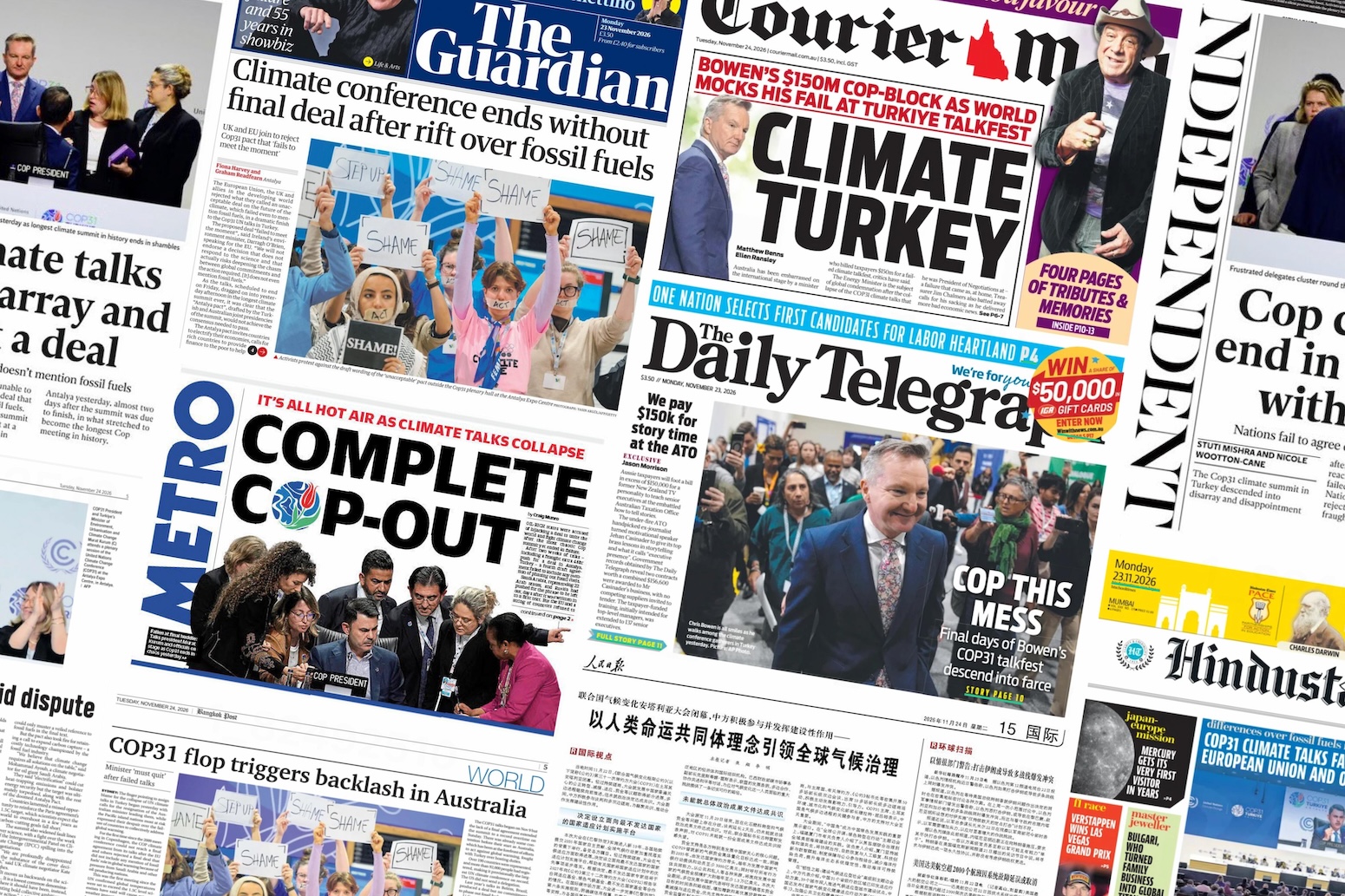 Carbon Brief ·
Media reaction: Who is to blame for COP31 'failure'?
How the world's media saw the collapse, with blame pointed at oil producers, rich countries, the presidency and China.
More on: COP31 · China · United Kingdom
-
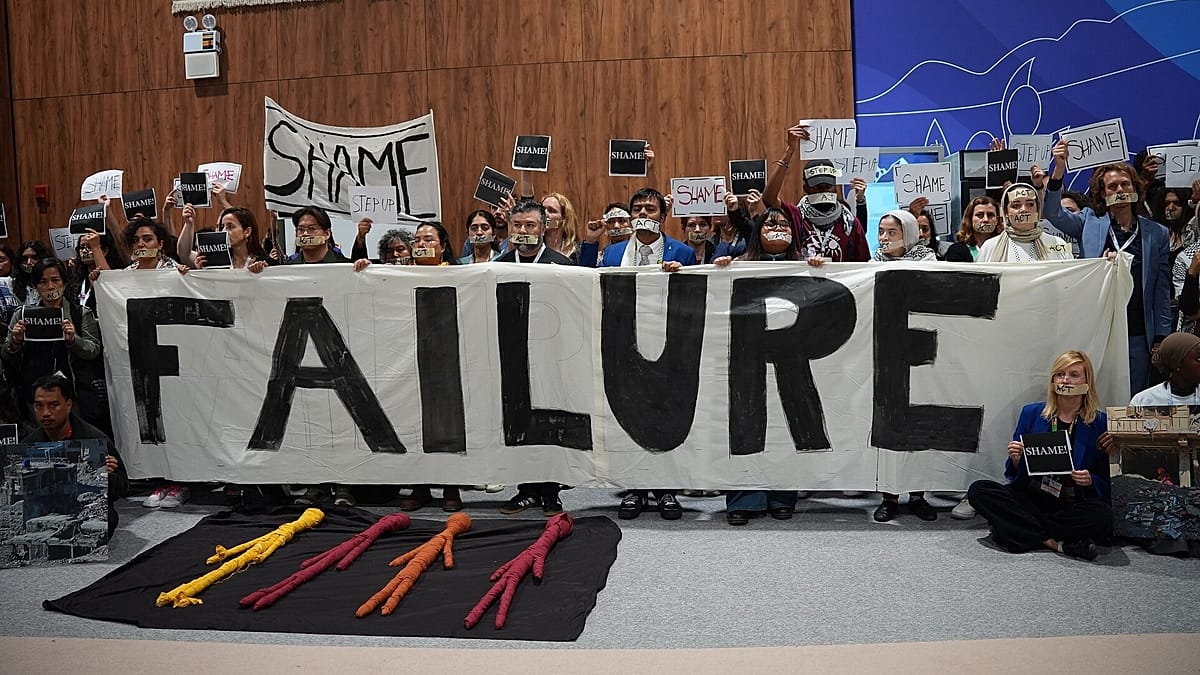 Euronews ·
Is no deal better than a bad deal? Why some see hope in COP31's collapse
The EU, the UK and Pacific island states rejected a pact that left out fossil fuels. Some observers argue that stopped a worse outcome, ahead of COP32 in Ethiopia.
-
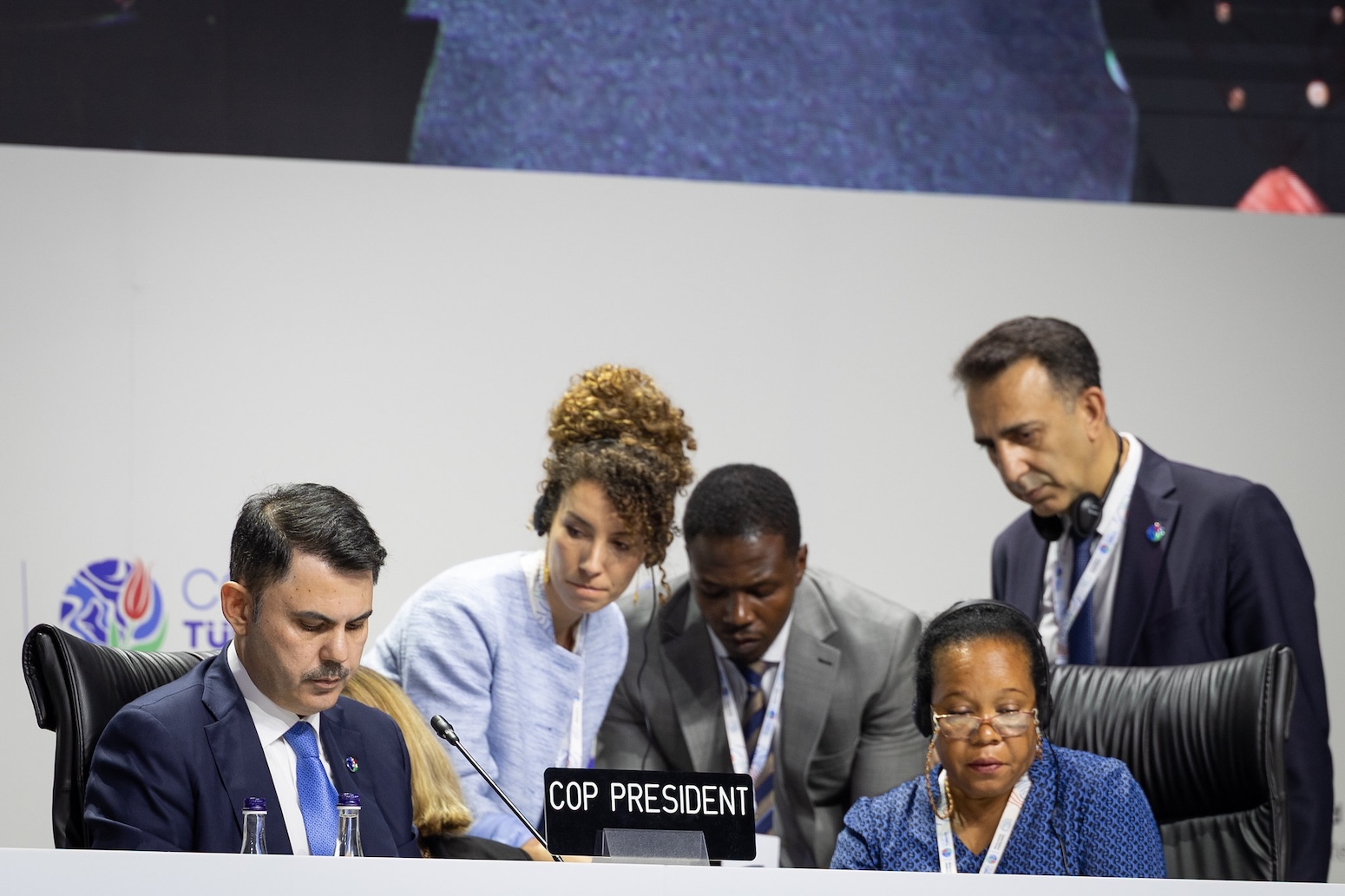 Carbon Brief ·
COP31: Key outcomes agreed at the UN climate talks in Antalya
The presidency's 'Antalya pact' was rejected, lacking clear wording on fossil fuels or more climate finance. A detailed rundown of what was and wasn't adopted.
More on: COP31 · European Union · Saudi Arabia
-
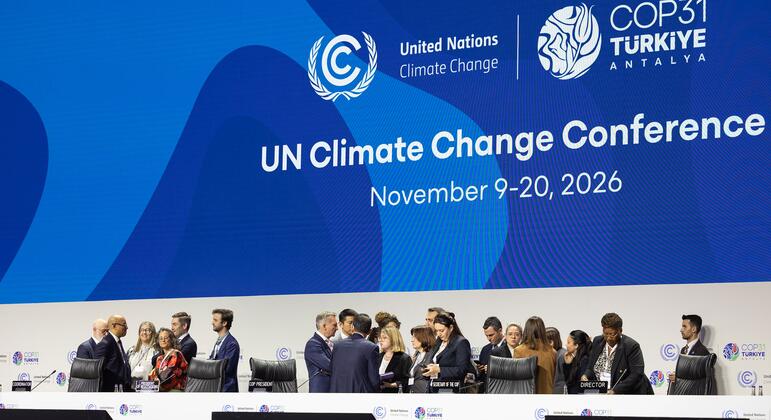 UN News ·
COP31 ends without climate pact as UN chief warns there is 'no ambiguity in the science'
After two days of overtime, the longest UN climate summit on record closed with its main decisions not adopted. António Guterres called the outcome deeply disappointing.
-
In brief · UNFCCC ·
COP31: progress, but no headline deal
The Antalya summit became the longest COP on record. Countries agreed decisions on a just transition, adaptation, finance and carbon markets, and launched the second global stocktake. The presidency's "Antalya pact" was rejected, chiefly because it did not mention fossil fuels.
-
Chatham House ·
What does COP31 reveal about the geopolitics of climate change?
Analysis: with the US outside the Paris Agreement, the EU narrowing its focus and China expanding clean tech exports, few rich countries renewed their climate finance pledges.
More on: COP31 · United States · China
-
 Down To Earth ·
COP31: Ministers urge Türkiye and Australia to advance fossil fuel transition roadmaps
Denmark, Luxembourg, Spain and Portugal published national plans to move off fossil fuels, while South Africa, Indonesia and others said any roadmap must stay voluntary and come with finance.
More on: COP31 · South Africa · Indonesia
-
 Down To Earth ·
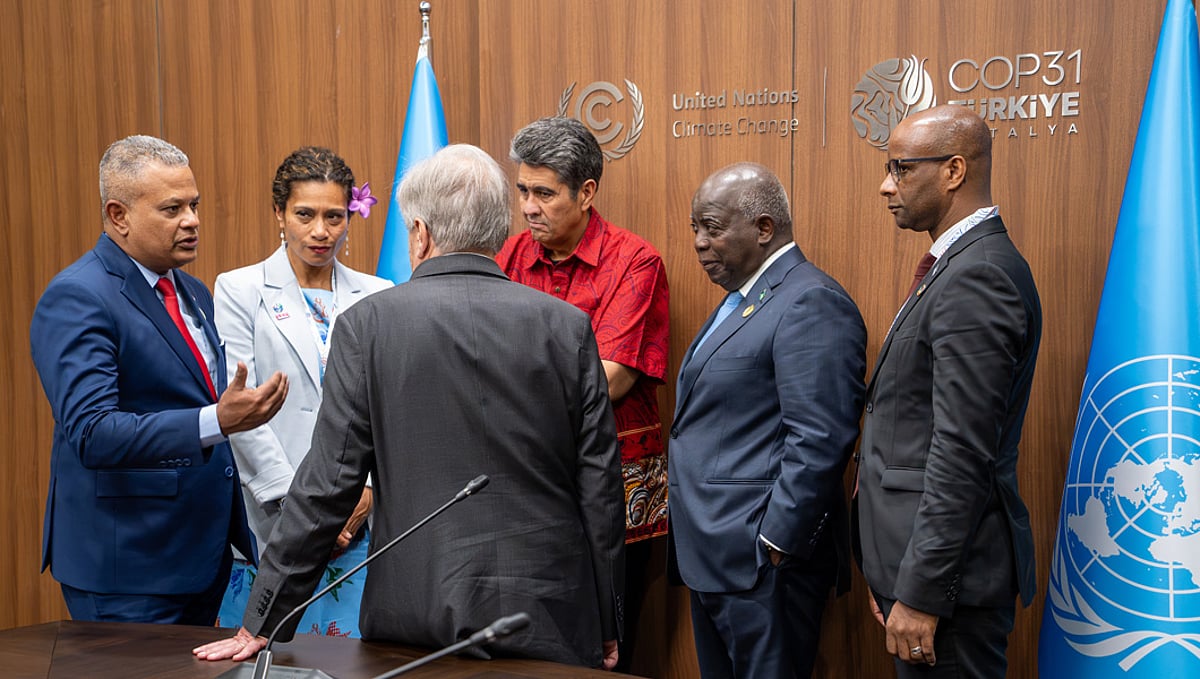
COP31: Developing countries push to turn climate finance commitments into action as talks hit familiar divisions
India, speaking for a group of developing countries, pushed for firm outcomes on climate finance, while the EU and others preferred to continue the existing process.
More on: COP31 · India · European Union
-
 TIME ·
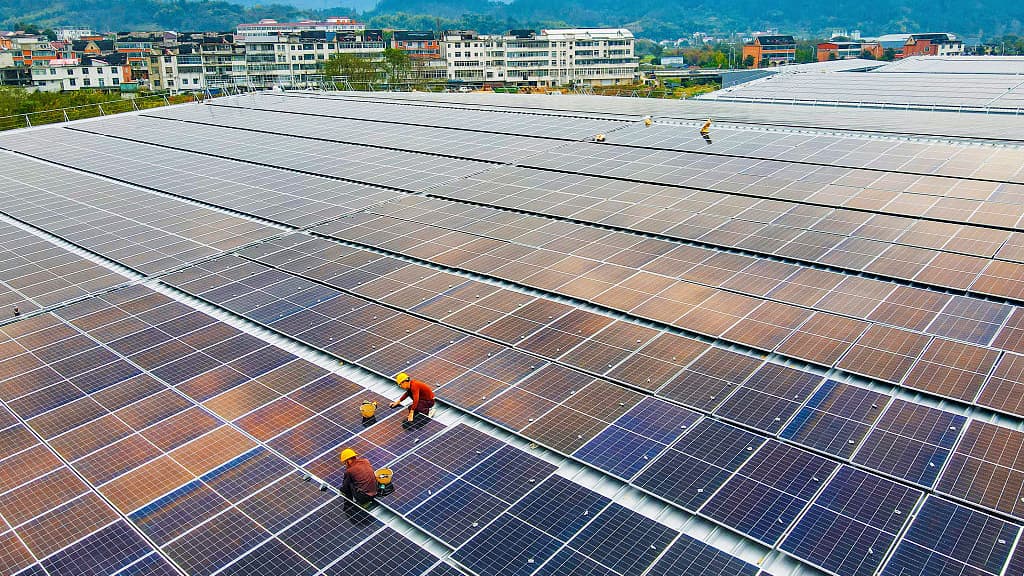
Fossil Fuel Emissions Are Expected to Decrease in 2026
The Global Carbon Project expects fossil emissions to fall 0.4% this year, helped by wind and solar growth. China and the US are set to fall, while India rises 4.4%.
More on: China · United States · India
-
In brief · UNFCCC ·
The plans don't add up yet
The UN's latest synthesis covers new climate plans from 154 countries, about 71% of global emissions. Together with current policies elsewhere, they point to global emissions about 6% below 2019 levels by 2035. Staying near 1.5 °C needs roughly a 60% cut. Projected warming by 2100 is 2.1 to 3.2 °C.
More on: COP31 · 2035 climate plans (NDCs) due
-
 UN Environment Programme ·
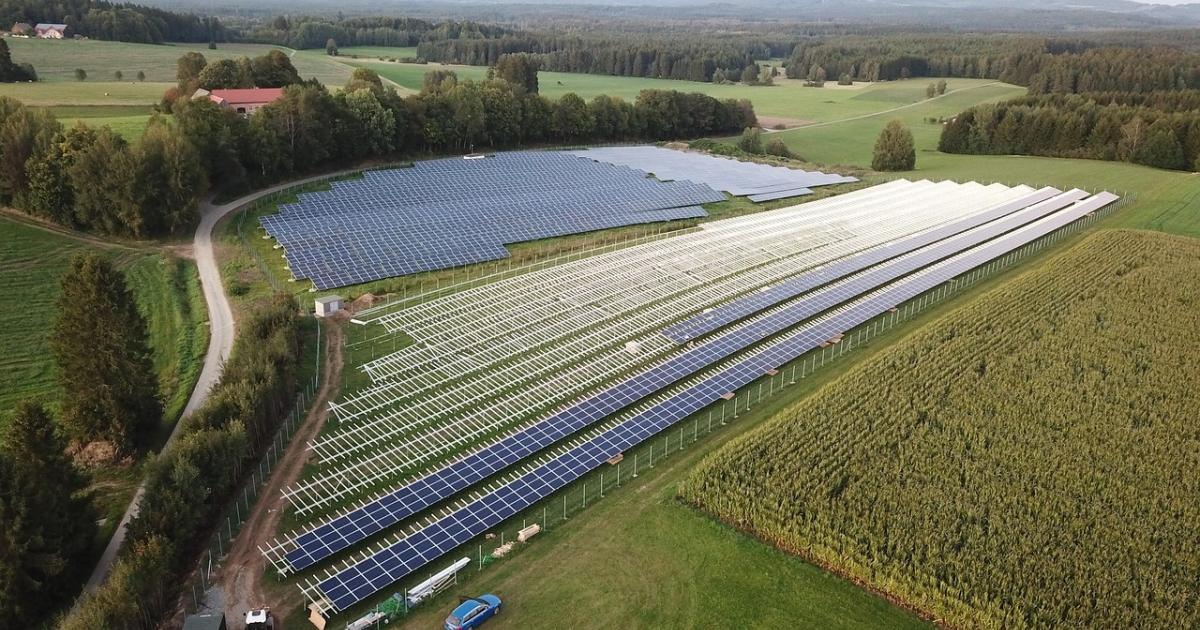
New UNEP report lays out emission cuts needed for return to 1.5°C
The Emissions Gap Report 2026 says current pledges point to 2.6°C of warming. It also finds renewable capacity has grown three times faster than expected since Paris.
-
In brief · Harvard EELP ·
The United States has left the Paris Agreement
US withdrawal, ordered on 20 January 2025, took effect on 27 January 2026. The administration has also announced it will leave the UN climate convention (UNFCCC) itself.
More on United States
-
 World Resources Institute ·
Beyond the Headlines: COP30's Outcomes and Disappointments
Commentary on what Belém secured on finance and adaptation, why fossil fuel and deforestation roadmaps were left out of the deal, and what comes next.
-
 Euronews ·
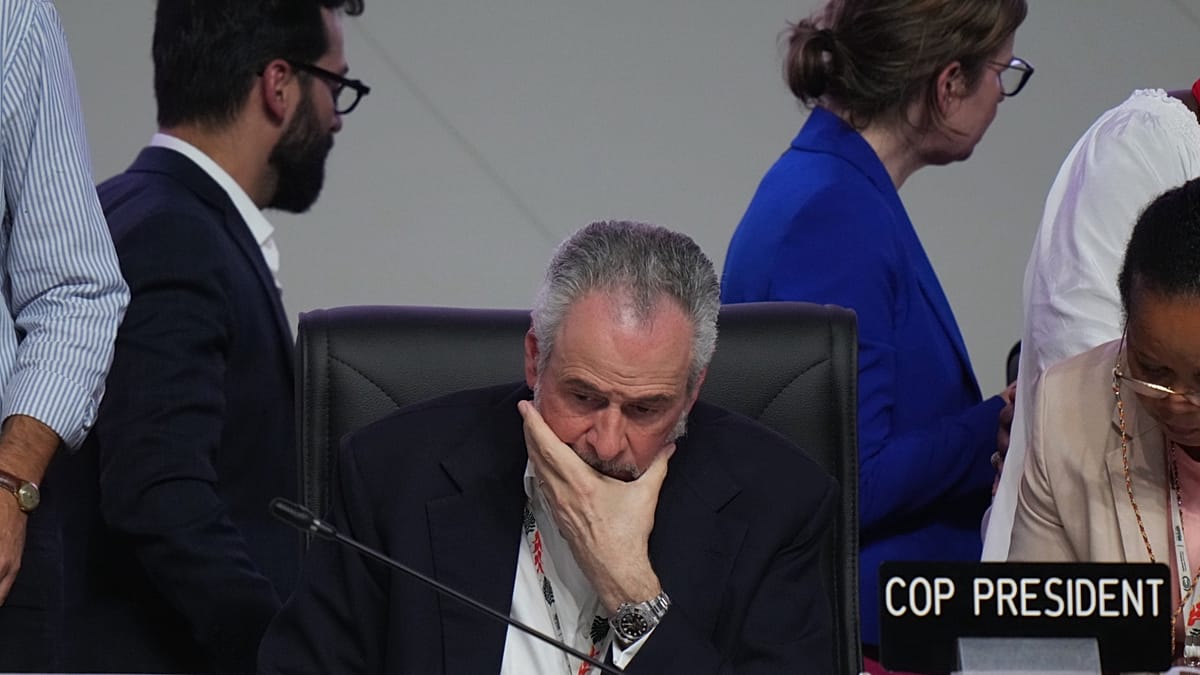
‘Deep divisions’: What did COP30 actually achieve and what comes next?
The Belém package tripled adaptation finance goals but left out a roadmap away from fossil fuels and a plan to end deforestation.
-
 UN News ·
Belém COP30 delivers climate finance boost and a pledge to plan fossil fuel transition
The package scaled up climate finance but did not clearly commit to moving away from fossil fuels. Brazil's presidency announced its own roadmaps on fossil fuels and deforestation.
More on: COP30 · Brazil · European Union
-
 Yale Environment 360 ·
UN Deal on Climate Aid Falls Short of What's Needed, Experts Say
Experts and leaders from vulnerable countries said the jump from $100 billion to $300 billion a year by 2035 falls far short, and some said they were pressed into accepting it.
More on: COP29 · Philippines · United States
-
 UN News ·
COP29 climate talks end with $300 billion annual pledge, Guterres calls deal a 'base to build on'
Rich countries agreed to provide at least $300 billion a year by 2035, within a wider $1.3 trillion goal. Developing countries said it was not enough.
-
NPR ·
With talks teetering, climate negotiators struck a controversial $300 billion deal
Richer countries agreed to provide at least $300 billion a year by 2035 to help developing nations, a sum many of those nations said was far too small.
More on COP29
-
Chatham House ·
COP28: What was achieved, and what needs to happen now
Analysis of the UAE Consensus: hailed as a landmark by the hosts, criticised by small island states, with loopholes on abatement technology and 'transition fuels'.
More on: COP28 · United Arab Emirates
-
 Carbon Brief ·
COP28: Key outcomes agreed at the UN climate talks in Dubai
The first COP decision to name fossil fuels called for a transition away from them. A detailed rundown of everything agreed in Dubai, and what was left out.
More on: COP28 · United Arab Emirates · China
-
 Grist ·
COP27 is over. What did it achieve?
The fund's details were left to a committee, while fossil fuels and adaptation finance saw little progress. Brazil, the DRC and Indonesia agreed to work together on forests.
-
 Carbon Brief ·
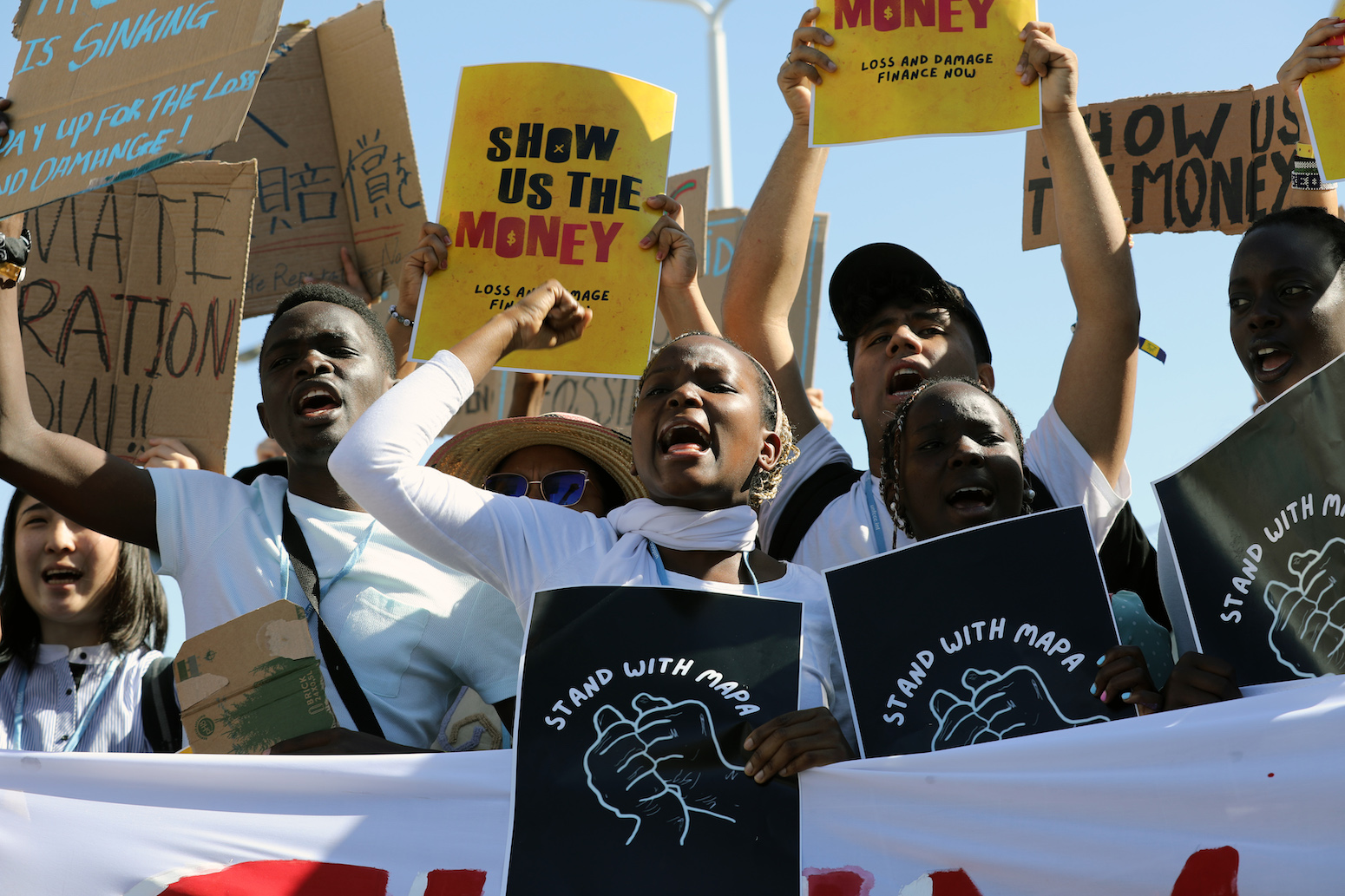
COP27: Key outcomes agreed at the UN climate talks in Sharm el-Sheikh
COP27 agreed a loss and damage fund, a first for the UN process, but its final text made no mention of phasing down fossil fuels.
-
 UNFCCC ·
COP27 Reaches Breakthrough Agreement on New “Loss and Damage” Fund for Vulnerable Countries
Countries agreed to set up a fund to help vulnerable nations cope with climate disasters, after decades of calls from developing countries.
-
 World Resources Institute ·
COP26: Key Outcomes From the UN Climate Talks in Glasgow
An explainer on what Glasgow settled, from carbon market rules to the call for stronger 2030 targets, and which countries' plans still fell short.
More on: COP26 · United Kingdom
-
 Yale Environment 360 ·
Glasgow Disappointed, But It Inched the World Forward on Climate
Analysis: the deal fell short of what scientists say is needed, but countries agreed to revisit their 2030 targets within a year and settled the rules for carbon markets.
-
 Council on Foreign Relations ·
What COP26 Did and Didn't Accomplish
A success, but barely: the first UN text to mention coal kept 1.5 °C in reach, while finance, loss and damage and accountability fell short.
More on: COP26 · United States · Indonesia
-
NPR ·
At COP26, nations strike a climate deal with coal compromise
The Glasgow Climate Pact was agreed after a last-minute change, pushed by India and China, softened coal 'phase-out' to 'phase-down'.
More on: COP26 · United Kingdom · India
-
 World Resources Institute ·
COP25: What We Needed, What We Got, What's Next
A critical assessment: Madrid fell short of what the Paris goals need, with Australia, the US and Brazil named among those holding back progress.
More on: COP25 · Australia · United States
-
 UN News ·
An important opportunity lost as COP25 ends in compromise, but Guterres declares 'we must not give up'
Madrid closed without consensus on higher ambition, though the EU committed to carbon neutrality by 2050 and 73 countries said they would strengthen their plans.
More on: COP25 · European Union · Chile
-
 RTÉ ·
Little to show as UN climate summit limps to end
Decisions on emissions, finance and carbon markets were deferred to Glasgow, with only a partial agreement that all countries should raise ambition.
More on: COP25 · Saudi Arabia · China
-
 Carbon Brief ·
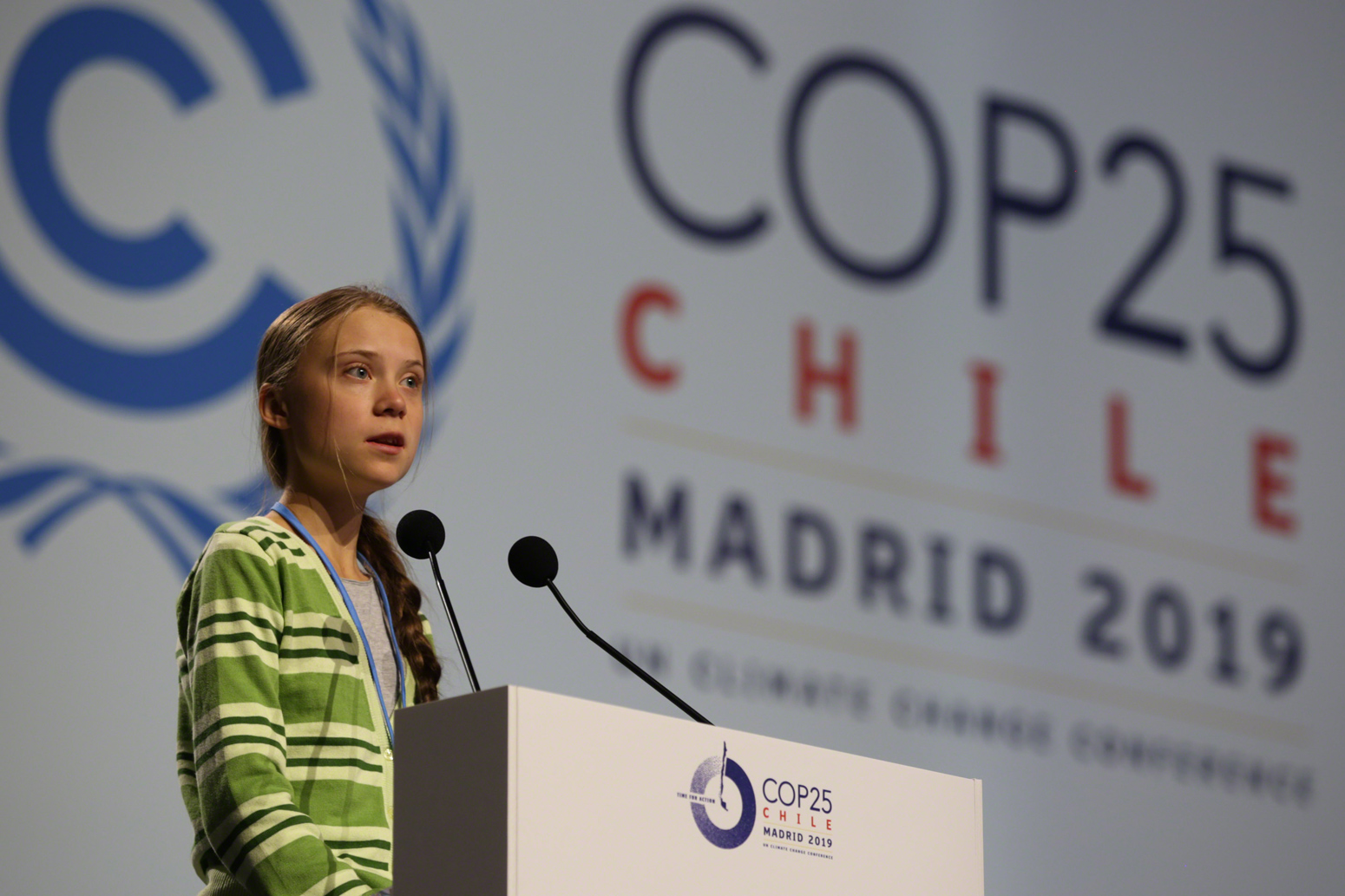
COP25: Key outcomes agreed at the UN climate talks in Madrid
The Chile-led talks in Madrid ran to a record-long close without consensus on many issues. Carbon market rules were pushed back to 2020.
-
 LSE Grantham Research Institute ·
Agreeing the Paris Rulebook: did COP24 deliver?
Negotiators and researchers judged the Katowice rulebook a significant achievement, with carbon market rules deferred and ambition still the central challenge.
More on: COP24 · New Zealand · United Kingdom
-
 Carbon Brief ·
COP24: Key outcomes agreed at the UN climate talks in Katowice
The Paris rulebook was agreed, but the US, Saudi Arabia, Russia and Kuwait refused to 'welcome' the IPCC's 1.5 °C report and carbon market rules were deferred.
More on: COP24 · Saudi Arabia · Russia
-
 World Resources Institute ·
COP24 Climate Change Package Brings Paris Agreement to Life
In Katowice, countries agreed most of the rulebook for how the Paris Agreement works in practice, including how countries report their emissions.
More on COP24
-
 PBS NewsHour ·
Nations at UN climate talks back universal emissions rules
Almost 200 countries agreed common rules for reporting and cutting emissions in Katowice. Carbon markets and the question of raising ambition were left for later.
-
 Global Citizen ·
The 7 Countries Actually Living Up to the Paris Climate Agreement
Very few countries are doing enough.
-
 The Guardian ·
We have 12 years to limit climate change catastrophe, warns UN
We are just 12 years from climate catastrophe, warns the IPCC.
-
European Parliament Research Service ·
COP 23 climate change conference: Outcomes
A briefing on what Bonn agreed: progress on the Paris rulebook, a work plan for 2018, a gender action plan and the Adaptation Fund, set against the US withdrawal.
More on: COP23 · European Union · United States
-
 IIED ·
COP23 outcomes call for faster action and higher ambition to keep Paris on track
An adviser to the least developed countries group on the Fiji Momentum for Implementation, and why progress on the Paris rulebook was uneven.
More on COP23
-
 UNFCCC ·
Bonn Climate Conference Becomes Launch-Pad for Higher Ambition
The Fiji-led talks in Bonn closed by launching a year-long Talanoa Dialogue on raising ambition before 2020, alongside new pledges on insurance, forests and agriculture.
-
ABC News · Powering Past Coal Alliance: 20 countries sign up to phase out coal power by 2030 Launched at COP23 in Bonn, the alliance of 20 countries including the UK, Canada and New Zealand pledged to phase out coal power. The biggest coal users did not join.
More on COP23
-
In brief · National Geographic ·
Syria to join, leaving the US alone
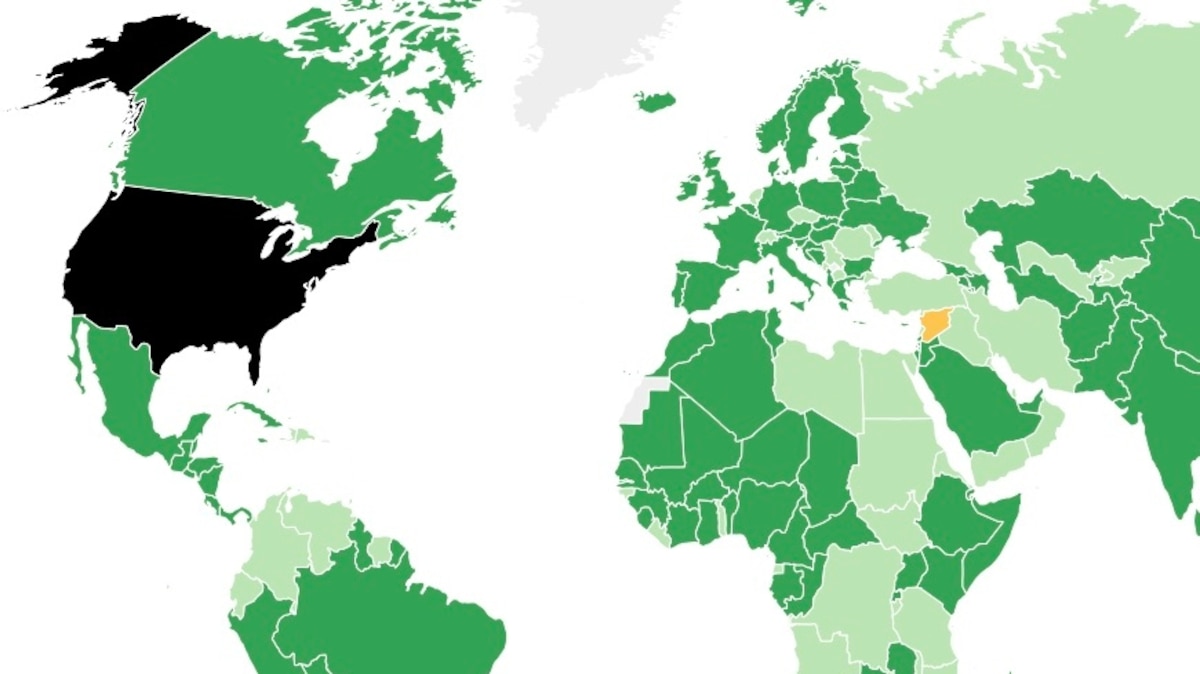
At COP23 in Bonn, Syria announced it would sign the Paris Agreement, leaving the United States as the only country set to be outside it.
More on: COP23 · United States
-
 National Geographic ·
Syria to join Paris climate pact, leaving U.S. isolated
The announcement at COP23 in Bonn left the US as the only country set to be outside the agreement.
More on: COP23 · United States
-
Yale Environment 360 ·
As Nicaragua Signs Paris Agreement, Only U.S. and Syria Left Outside Global Pact
Nicaragua files its papers with the UN, two years after refusing to sign.
More on Nicaragua
-
In brief · Yale Environment 360 ·
Nicaragua joins the Paris Agreement
Nicaragua, which held out in 2015 because the deal did not go far enough, signed up in October 2017. That left only the United States, which had announced it would leave, and war-torn Syria outside the pact.
More on: Nicaragua · United States
-
 Grist ·
Nicaragua's got a better reason for opting out of the Paris Agreement than we do
How Nicaragua objected on grounds of ambition, and called on developed countries to take more responsibility.
More on: Nicaragua · United States
-
 TIME ·
Nicaragua didn't sign the Paris Agreement because it didn't go far enough
As the US prepared to pull out, a reminder that Nicaragua's objection was the opposite: the pledges were voluntary and too weak.
More on Nicaragua
-
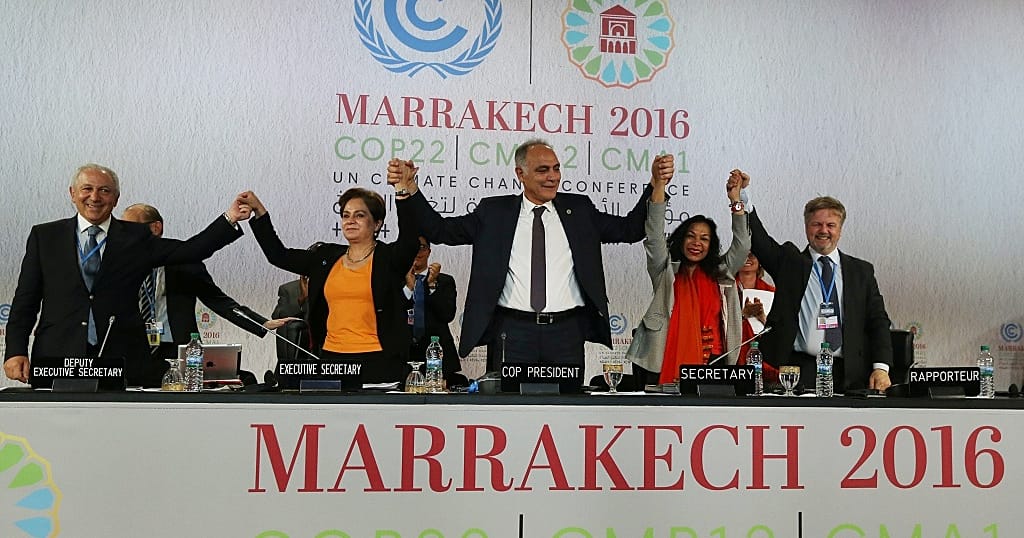 Africanews ·
COP22 ends with declaration that climate change is an 'urgent duty'
The Marrakech proclamation called climate action an urgent duty, though it has no legal force, as delegates worried about the incoming US administration.
-
 Carbon Brief ·
COP22: Key outcomes agreed at the UN climate talks in Marrakech
Talks held days after the US election set 2018 as the deadline for the Paris rulebook, while finance questions were left largely unresolved.
More on: COP22 · Morocco · United States
-
 UN News ·
Marrakech: Countries at UN conference pledge to press ahead with implementation of Paris Agreement
Two weeks after the Paris Agreement entered into force, countries adopted the Marrakech Action Proclamation, affirming their commitment to carry it out in full.
-
 European Commission ·
Marrakech climate conference: world forging ahead on climate action
The EU's account of Marrakech, including the Action Proclamation, progress on the Paris rulebook and European pledges to the Adaptation Fund.
More on: COP22 · European Union · Germany
-
 Carbon Brief ·
Global reaction: the Paris Agreement on climate change
How newspapers, governments, campaigners and scientists around the world responded to the agreement, gathered in one place.
-
 UNFCCC ·
Historic Paris Agreement on Climate Change: 195 Nations Set Path to Keep Temperature Rise Well Below 2 Degrees Celsius
The UN's announcement of the deal: well below 2 °C and pursuing 1.5 °C, with new national plans every five years, common reporting rules and a regular global stocktake.
More on COP21
-
 PBS NewsHour ·
How is the world reacting to the 'ambitious' climate deal reached in Paris?
First reactions on the night the deal was adopted, and its weak points: voluntary emissions targets and open questions on finance.
More on: COP21 · India · United States
-
In brief · TIME ·
Nicaragua refuses to sign the Paris Agreement
At the Paris summit, Nicaragua declined to sign because the deal did not go far enough. Its chief negotiator, Paul Oquist, said voluntary pledges were "a path to failure" and that Nicaragua did not want to be an accomplice to a world 3 °C or 4 °C warmer.
-
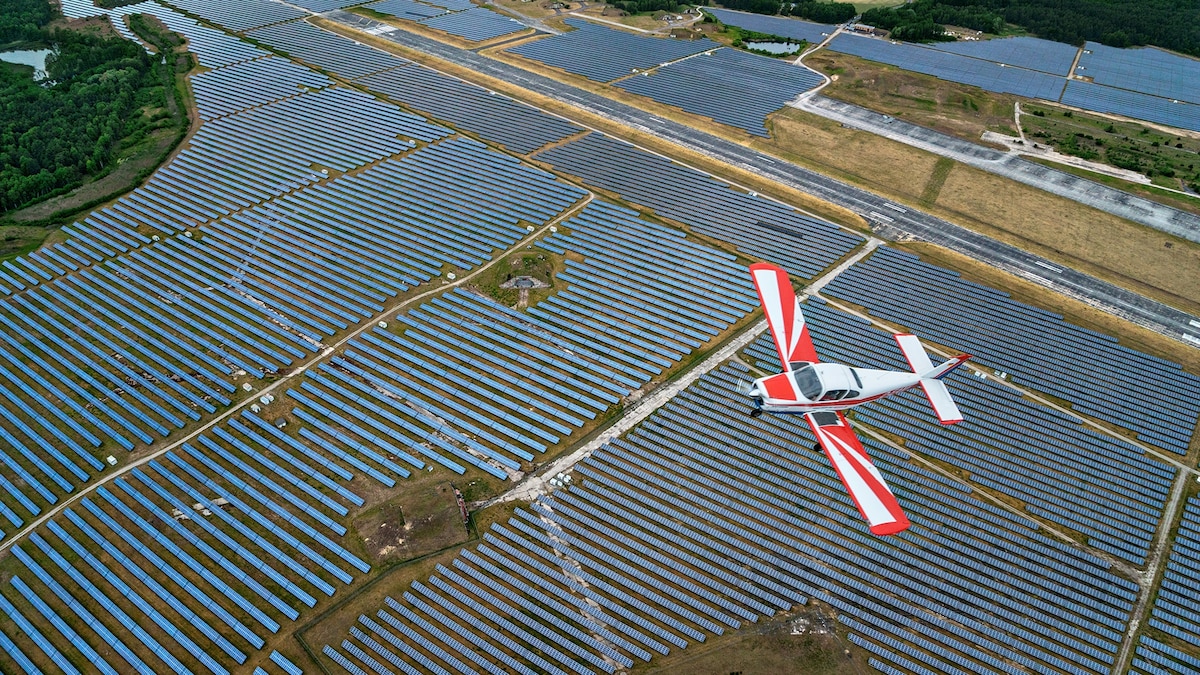 National Geographic ·
Historic New Climate Deal: Surprises, Snubs, and What it Really Means
The surprises and snubs of the deal, from the 1.5 °C goal to the fossil fuel language and the role of Saudi Arabia.
More on: COP21 · Saudi Arabia · South Africa
-
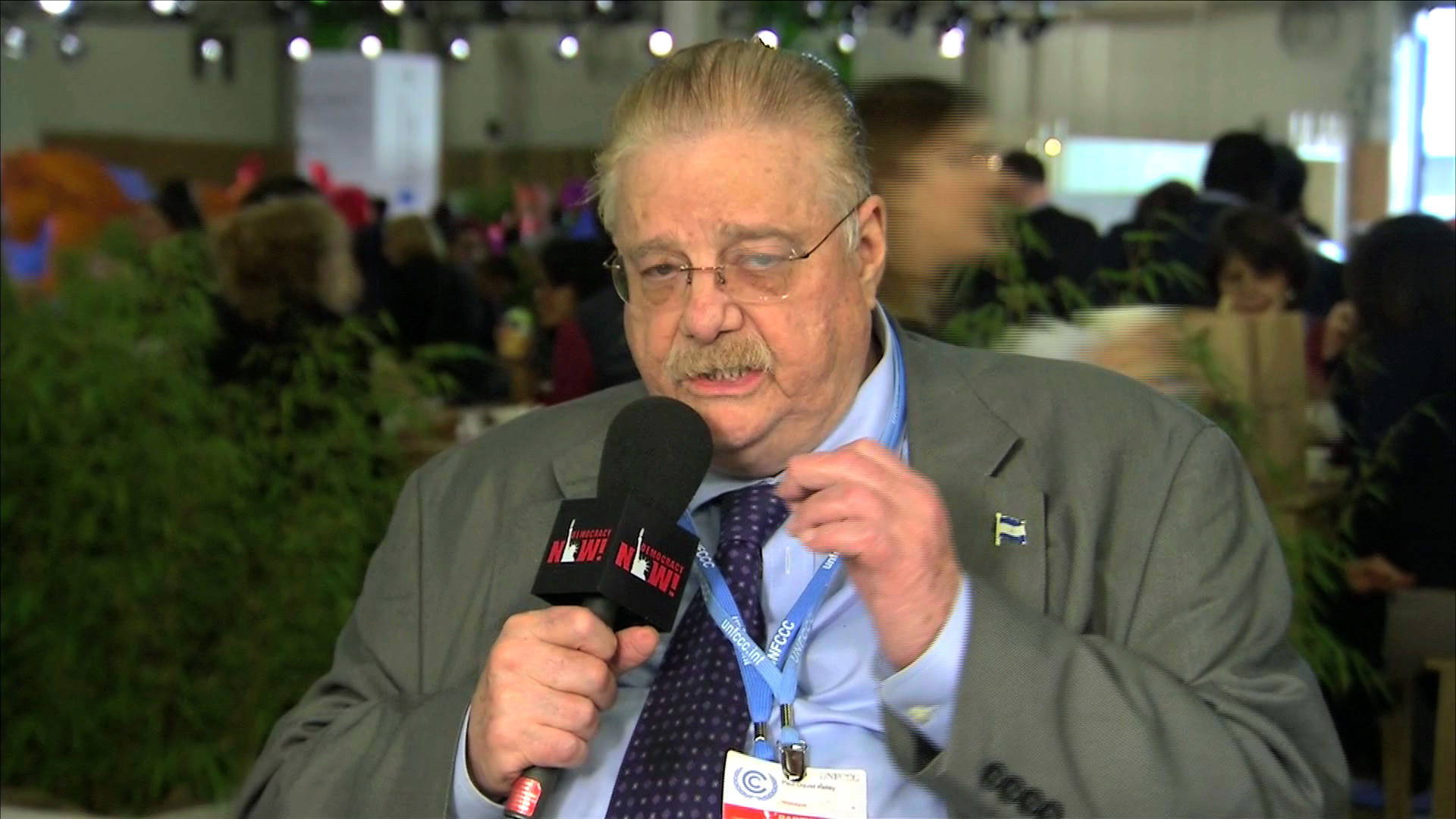 Democracy Now! ·
We do not want to be an accomplice: Nicaragua rejects global consensus on voluntary emission cuts
At COP21 in Paris, Nicaragua's chief climate negotiator Paul Oquist explains why his country would not submit a voluntary pledge: "These voluntary commitments don't work."