United States
The world's second-largest emitter has left the Paris Agreement and rolled back much of its federal climate policy.
Where it stands
- Paris Agreement
- Withdrawal ordered on 20 January 2025 and in effect from 27 January 2026. The administration has also announced it will leave the UN climate convention (UNFCCC). Harvard EELP
- Pledge (NDC)
- None in force. The 2030 and 2035 pledges made in 2021 and 2024 have been withdrawn.
- Net zero
- No federal target. 19 states are pursuing net zero on their own.
- Independent rating
- Climate Action Tracker rates US action "Critically insufficient" (October 2026).
- Recent
- The One Big Beautiful Bill Act (July 2025) removed much of the Inflation Reduction Act's clean energy support. In February 2026 the EPA overturned the 2009 finding that greenhouse gases endanger public health, the legal basis for federal emissions rules.
Timeline
- September 2016President Obama formally brings the US into the Paris Agreement, alongside China.
- June 2017President Trump announces the US will withdraw from the Paris Agreement.
- November 2020The first withdrawal takes effect on 4 November.
- February 2021Rejoins the Paris Agreement on 19 February, under President Biden.
- August 2022The Inflation Reduction Act is signed, with about $369 billion for climate and clean energy.
- January 2025A presidential order begins withdrawal from the Paris Agreement for the second time.
- July 2025The One Big Beautiful Bill Act removes much of the Inflation Reduction Act's clean energy support.
- January 2026Withdrawal from the Paris Agreement takes effect on 27 January.
- February 2026The EPA overturns the 2009 finding that greenhouse gases endanger public health.
- September 2026The EPA overturns the 2024 emissions standards for fossil fuel power plants.
Articles
In the news
-
 Euronews ·
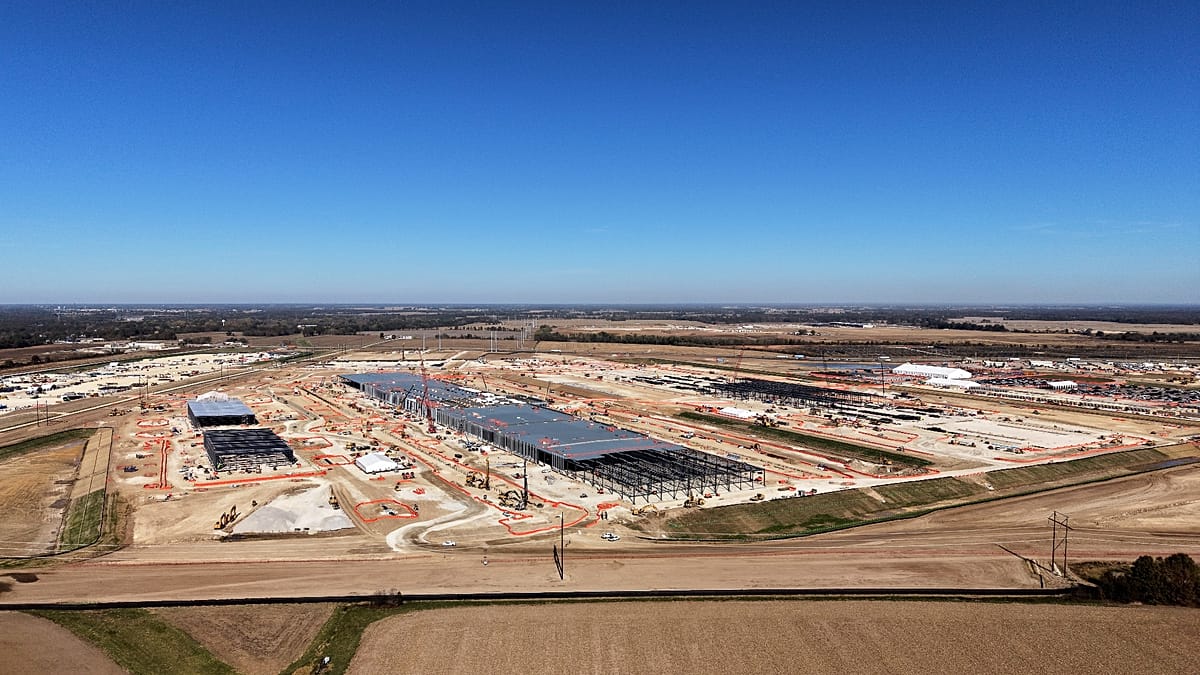
Data centre energy demand could double by 2030, IEA warns
The International Energy Agency expects data centres' electricity use to roughly double by 2030, to about 1,000 TWh a year, straining power grids, with their carbon emissions up 70%.
More on: China · European Union
- Chatham House · What does COP31 reveal about the geopolitics of climate change? Analysis: with the US outside the Paris Agreement, the EU narrowing its focus and China expanding clean tech exports, few rich countries renewed their climate finance pledges.
-
Associated Press · Study estimates magnitude of US data center pollution as climate talks unveil clean AI pledge A Harvard-led study estimates that 403 US data centres emitted about 25.7 million tonnes of CO2 in a year, roughly as much as Denmark. At COP31, Türkiye and the ITU launched a voluntary pledge on clean power, efficiency, water use and disclosure for data centres.
-
 TIME ·
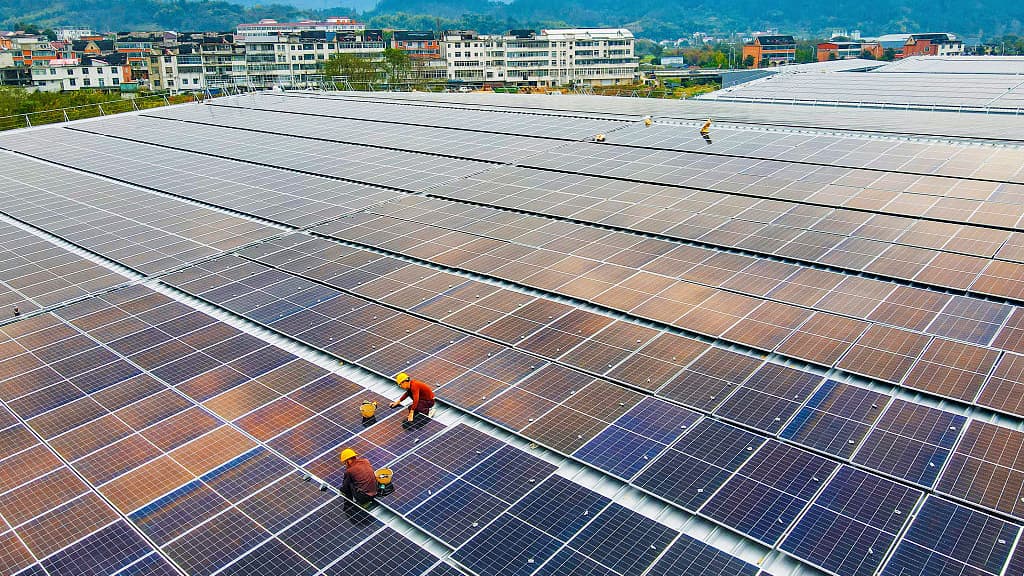
Fossil Fuel Emissions Are Expected to Decrease in 2026
The Global Carbon Project expects fossil emissions to fall 0.4% this year, helped by wind and solar growth. China and the US are set to fall, while India rises 4.4%.
-
 Microsoft ·
Microsoft's emissions rise 25% in a year
Microsoft's 2026 sustainability report shows its total emissions rose 25% in a year, mainly because of datacentre expansion and its decision to stop using unbundled renewable energy certificates. The company says it has not lowered its ambition to be carbon negative by 2030.
-
 GeekWire ·
The cost of the AI boom: Amazon emissions jump 16% as company stands by net-zero pledge
Amazon emitted nearly 81 million tonnes of CO2e in 2025, up 16% on the year, as it built more data centres. The company says it is still committed to net zero by 2040.
-
 Google ·
Google says its climate goals are getting harder
Google's 2026 environmental report shows its electricity demand grew 37% in 2025, the largest rise in its history, and supply chain emissions rose 25%, while operational emissions fell 2%. The company says reaching net zero and round-the-clock carbon-free energy is "getting harder".
-
 Carbon Brief ·
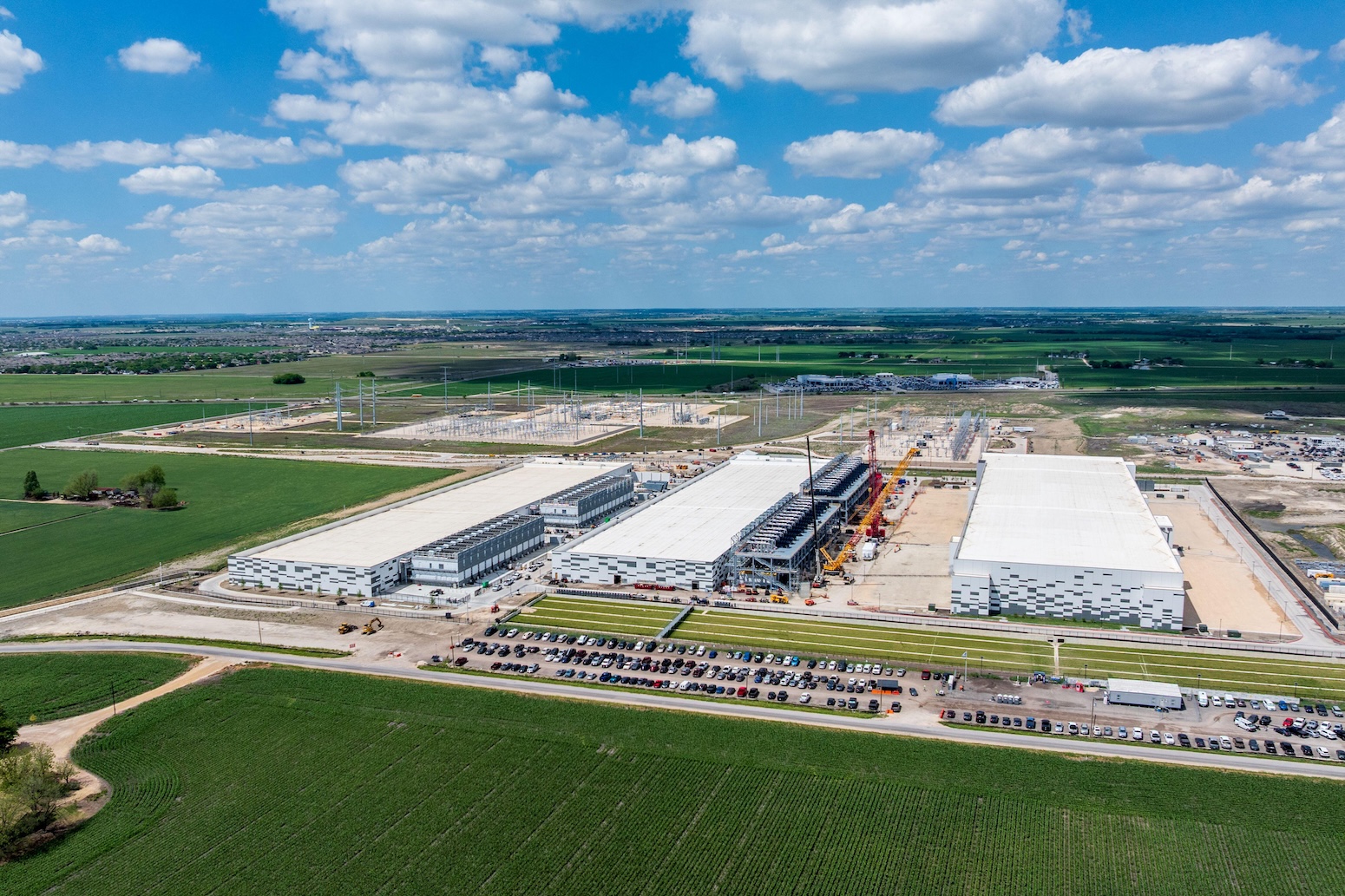
AI boom means US is now ‘investing more’ in fossil-fuel power than China
Citing the IEA, US investment in gas power roughly tripled in 2025, and data centres account for half of projected US electricity demand growth to 2030. Spending on power for data centres reached $105bn worldwide in 2025, more than all energy investment in Africa.
More on China
-
International Energy Agency ·
Close to 30% of cars sold this year are set to be electric as countries and consumers respond to energy crisis
The IEA expects 23 million electric cars to be sold in 2026. Sales dipped early in the year after policy changes in China and the US, while Europe grew by close to 30%.
More on: China · European Union
-
In brief · Climate Action Tracker ·
US EPA overturns the endangerment finding
The EPA has overturned its 2009 finding that greenhouse gases endanger public health, the legal basis for federal emissions rules.
-
In brief · Harvard EELP ·
The United States has left the Paris Agreement
US withdrawal, ordered on 20 January 2025, took effect on 27 January 2026. The administration has also announced it will leave the UN climate convention (UNFCCC) itself.
Read more: Where the Paris Agreement stands
-
 Cornell University ·
‘Roadmap’ shows the environmental impact of AI data center boom
A study in Nature Sustainability finds that at current growth, US AI servers could emit 24 to 44 million tonnes of CO2 and use 731 to 1,125 million cubic metres of water a year by 2030. Better siting, faster grid decarbonisation and efficiency could cut the carbon by about 73% and the water by about 86% against the worst case.
-
 Yale Environment 360 ·
UN Deal on Climate Aid Falls Short of What's Needed, Experts Say
Experts and leaders from vulnerable countries said the jump from $100 billion to $300 billion a year by 2035 falls far short, and some said they were pressed into accepting it.
More on: COP29 · Philippines
-
 Council on Foreign Relations ·
What COP26 Did and Didn't Accomplish
A success, but barely: the first UN text to mention coal kept 1.5 °C in reach, while finance, loss and damage and accountability fell short.
-
 World Resources Institute ·
COP25: What We Needed, What We Got, What's Next
A critical assessment: Madrid fell short of what the Paris goals need, with Australia, the US and Brazil named among those holding back progress.
-
 Grist ·
The Green New Deal’s huge flaw
We have started talking about population dispersal and sprawl in earnest.
-
 The Guardian ·
Green New Deal: Ocasio-Cortez unveils bold plan to fight climate change
While it is mired in politics, the proposed Green New Deal is stimulating debate and could one day see the USA aim for a carbon neutral future.
-
European Parliament Research Service ·
COP 23 climate change conference: Outcomes
A briefing on what Bonn agreed: progress on the Paris rulebook, a work plan for 2018, a gender action plan and the Adaptation Fund, set against the US withdrawal.
More on: COP23 · European Union
-
In brief · National Geographic ·
Syria to join, leaving the US alone
At COP23 in Bonn, Syria announced it would sign the Paris Agreement, leaving the United States as the only country set to be outside it.
More on COP23
-
 National Geographic ·
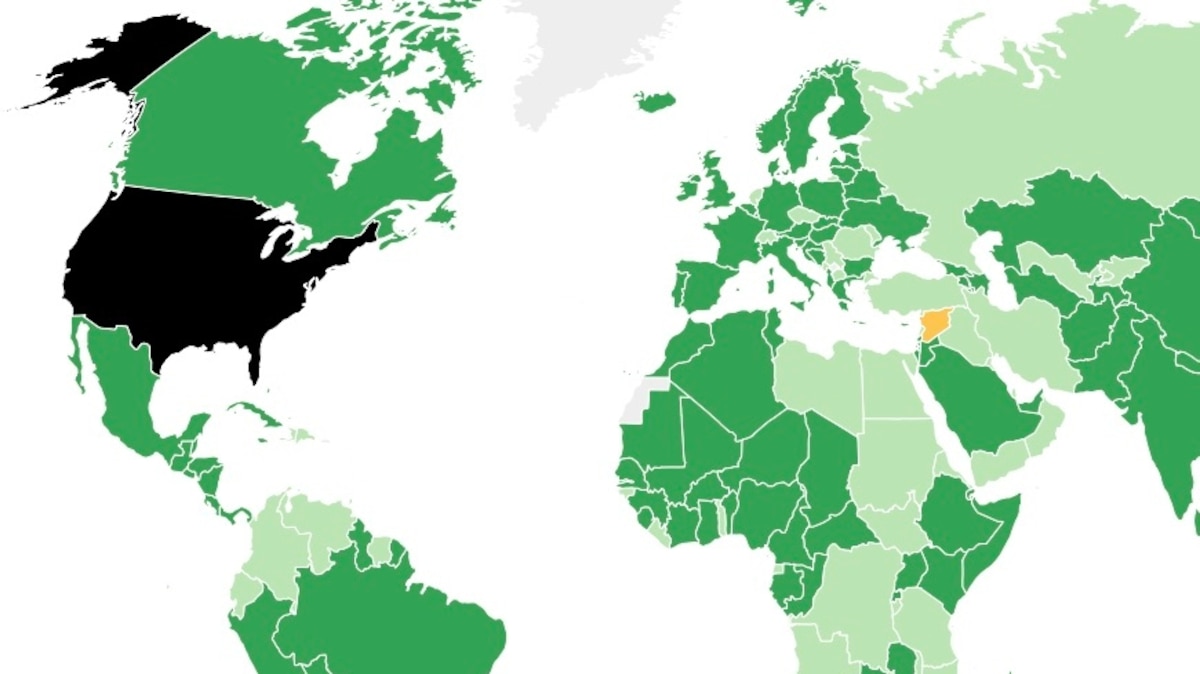
Syria to join Paris climate pact, leaving U.S. isolated
The announcement at COP23 in Bonn left the US as the only country set to be outside the agreement.
More on COP23
-
In brief · Yale Environment 360 ·
Nicaragua joins the Paris Agreement
Nicaragua, which held out in 2015 because the deal did not go far enough, signed up in October 2017. That left only the United States, which had announced it would leave, and war-torn Syria outside the pact.
More on Nicaragua
-
 Grist ·
Nicaragua's got a better reason for opting out of the Paris Agreement than we do
How Nicaragua objected on grounds of ambition, and called on developed countries to take more responsibility.
More on Nicaragua
-
 Carbon Brief ·
COP22: Key outcomes agreed at the UN climate talks in Marrakech
Talks held days after the US election set 2018 as the deadline for the Paris rulebook, while finance questions were left largely unresolved.
-
 PBS NewsHour ·
How is the world reacting to the 'ambitious' climate deal reached in Paris?
First reactions on the night the deal was adopted, and its weak points: voluntary emissions targets and open questions on finance.