COP21, Paris (2015)
30 November to 12 December 2015 · Paris, France
The Paris Agreement is adopted by 195 Parties, aiming to keep warming well below 2 °C and to pursue efforts to limit it to 1.5 °C.
Key points
- The Paris Agreement set a goal of holding warming well below 2 °C and pursuing efforts to limit it to 1.5 °C.
- Every country must submit a national climate plan (NDC), and each new plan must be more ambitious than the last.
- A global stocktake was set for 2023 and every five years after, to ratchet up ambition over time.
- Countries aim for a balance between emissions and removals in the second half of the century, in effect net zero, though no date is set.
- Loss and damage got its own article, but liability and compensation were excluded. The pledges then on the table were not enough to stay below 2 °C.
In the news
-
 Carbon Brief ·
Global reaction: the Paris Agreement on climate change
How newspapers, governments, campaigners and scientists around the world responded to the agreement, gathered in one place.
-
 UNFCCC ·
Historic Paris Agreement on Climate Change: 195 Nations Set Path to Keep Temperature Rise Well Below 2 Degrees Celsius
The UN's announcement of the deal: well below 2 °C and pursuing 1.5 °C, with new national plans every five years, common reporting rules and a regular global stocktake.
Read more: Where the Paris Agreement stands
-
 PBS NewsHour ·
How is the world reacting to the 'ambitious' climate deal reached in Paris?
First reactions on the night the deal was adopted, and its weak points: voluntary emissions targets and open questions on finance.
More on: India · United States
-
In brief · TIME ·
Nicaragua refuses to sign the Paris Agreement
At the Paris summit, Nicaragua declined to sign because the deal did not go far enough. Its chief negotiator, Paul Oquist, said voluntary pledges were "a path to failure" and that Nicaragua did not want to be an accomplice to a world 3 °C or 4 °C warmer.
More on Nicaragua
-
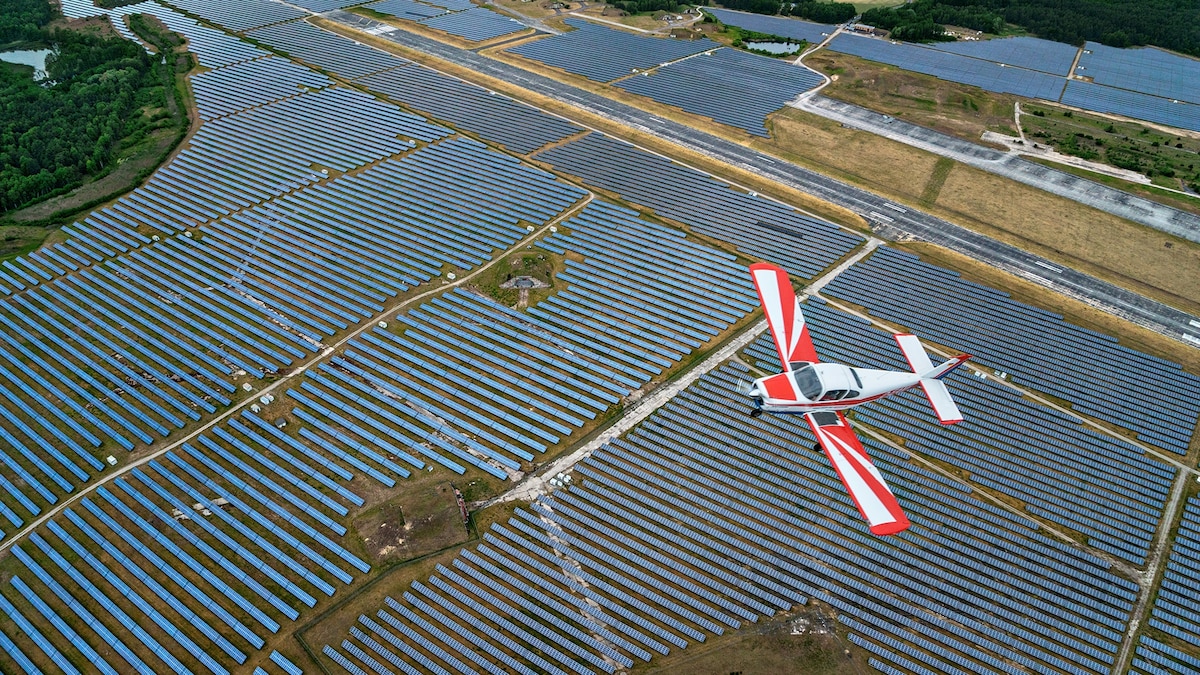 National Geographic ·
Historic New Climate Deal: Surprises, Snubs, and What it Really Means
The surprises and snubs of the deal, from the 1.5 °C goal to the fossil fuel language and the role of Saudi Arabia.
More on: Saudi Arabia · South Africa
-
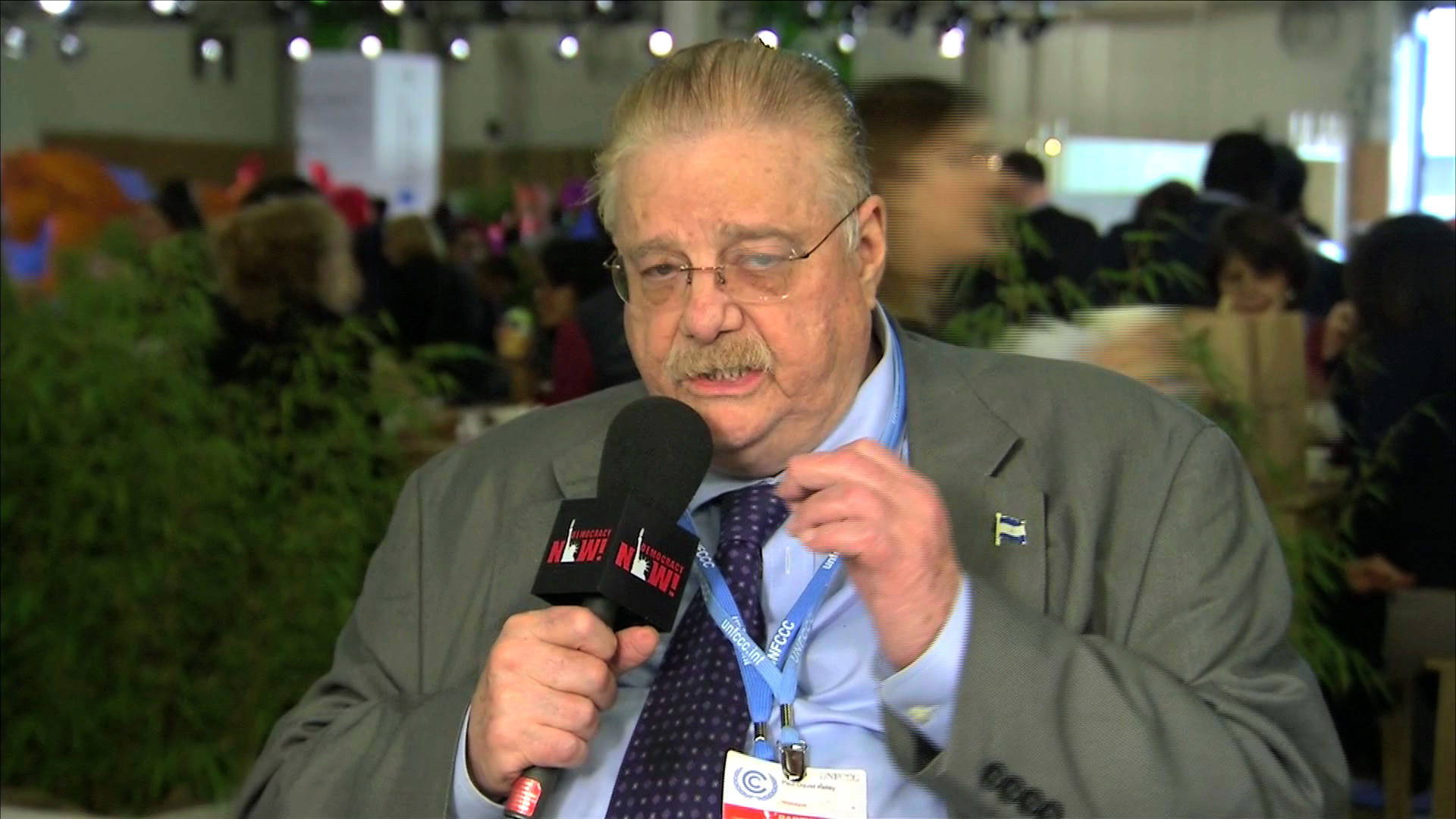 Democracy Now! ·
We do not want to be an accomplice: Nicaragua rejects global consensus on voluntary emission cuts
At COP21 in Paris, Nicaragua's chief climate negotiator Paul Oquist explains why his country would not submit a voluntary pledge: "These voluntary commitments don't work."
More on Nicaragua
All climate talks and deadlines · Where the Paris Agreement stands